



Top Corporate Sales & Business Development Training
We empower sales professionals and leaders to master the craft of selling at all levels:
-

Enterprise
-
Scaling Companies Individuals
50K +Global Customers, Clients and Partners Succeed with Sandler
What's coming?
Professional Development Programs
Experiential and transformational sales and leadership training
Leading the Next Evolution of SalesSales Training for Revenue Generating Professionals
Our expertise is in integrating training and content into sales enabling technologies and weaving it throughout the revenue operations systems within the organizationElevate your performance with:
01
Connection with the Modern Buyer
A buyer-focused discovery process to create more engaging experiences for buyers and sellers.02
Configurable Learner Journeys
Personalized for individual’s strengths and goals.03
Collaborative Coaching
Modernized delivery with a blend of experiential learning, gamification, and flexible pacing.04
Ongoing Reinforcement & Application
Continuous guidance for new professional and life stages.05
Technology-Enabled Solutions
Adaptive content and techniques for evolving technologies.06
Personal Transformation
Lasting behavior and change to succeed in and outside of profession.
Sales Challenges
Sandler helps all revenue-generating professionals evolve to solve some of their greatest challenges.Sales & Business Development
- Hiring, onboarding, and retaining top talent
- Moving the needle in sales performance
- Common language and system for sales operations
- Predictable methodology to take buyers through your sales process
- Tactics and strategies which are actionable
Leadership & Sales Management
- Gap in your L&D plan for leadership and managers
- Lack of coaching, accountability, and motivational skills
- Struggle to develop and promote internal leaders
Success Principles & Professional Development
- Struggle with stress, motivation, self-esteem, and goal setting
- Coaching for younger, frontline workers on business etiquette and acumen
- Teamwork, time management, meeting agendas, or communication skills
Customer Success and Support
- Communication skillsets to deal with difficult people
- Focus on renewals instead of optimizing opportunities for expansion
- Lack of training opportunities for inside sales teams
Our Achievements
30 K+people trained per year
500 K~hours of training around the globe each year
50 %more salespeople hit quotas than those without Sandler
88 %salespeople said their sales strategy improved
96 %of clients polled would recommend Sandler
Find the best training for youOur Sales Experts Will Guide You Through The Entire Process
Need help finding the best trainings for you or your business?
Our StorySales Training and Business Development at Quality and Scale
Business transformation at a global scale, with high-quality content, and proven efficacy- Results proven through research
- Global footprint
- Content designed for accessibility
- Custom content and trainings
![]()
WHAT OUR CLIENTS SAY
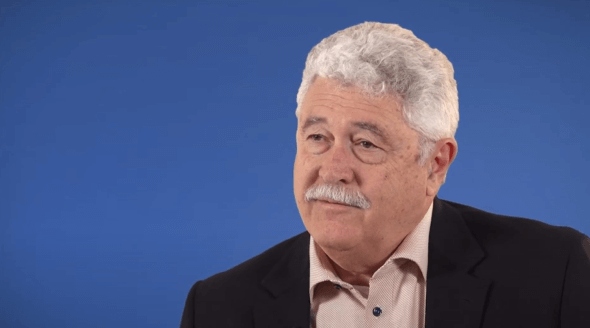
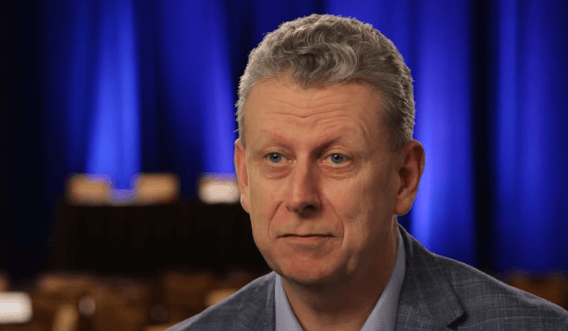
Sandler is a tried and true methodology across any industry. I’ve used them four times at four companies and I’ve trained over 1,000 people.
Karl Watson,CEO, Forterra
WHAT OUR CLIENTS SAY
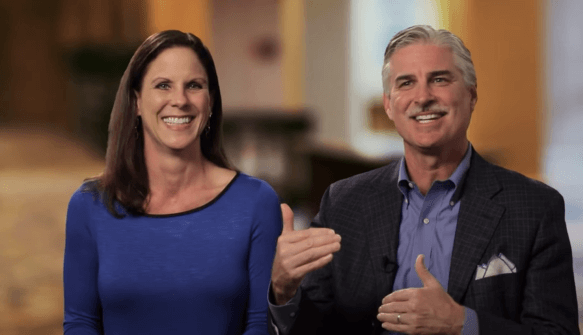
Companies are realizing that they have to be better. They have to invest in their people if they’re going to have exponential growth.Dan & Lisa Nausley,Chattanooga, TN
WHAT OUR CLIENTS SAY
We trained 150 people. We wouldn’t be where we are in terms of where we are for staff, growth and positive culture without Sandler. My life is easier as a CEO.
View Full TestimonialMark Cook,CEO and Owner, Central States Industrial - CSI
WHAT OUR CLIENTS SAY
Sandler operates around the world. The same Sandler rules apply and work no matter what part of the world you are from.
View Full TestimonialShaun Thomson,United Kingdom
Our Franchises Offer a Tremendous Opportunity for Growth
News & Industry Insights-
Videos
-
Articles
-
Events
-
Podcasts
-
White Papers